


53rd BARCELONA International Congress on Studies in Literature, Languages & Communication (BICLLC-26) April 20-22, 2026 Barcelona (Spain)
BICLLC-26
- URL: https://hssis.org/conference/360
- Event Date: 2026-04-20 ~ 2026-04-22
- Submission Date: 2026-04-01
- Organizer: HSSIS
- Location: Barcelona, Spain
Humanities, Literature & Arts (General) American Literature & Studies Literature & Writing English Language & Literature
Call for papers/Topics
Full Articles/ Reviews/ Shorts Papers/ Abstracts are welcomed in the following research fields:
1. Studies in Literature
Literary studies focus on the analysis of written works, exploring their historical context, philosophical underpinnings, and aesthetic value.
Literary Theory & Criticism:
Formalism and New Criticism: Analyzing the text as a self-contained object.
Post-Colonialism: Examining literature from formerly colonized nations and themes of identity.
Feminist & Queer Theory: Exploring gender roles and sexual identity in texts.
Ecocriticism: The relationship between literature and the physical environment.
Comparative Literature:
Cross-cultural thematic analysis (e.g., "The Hero’s Journey" in Eastern vs. Western epics).
Literature in translation: The challenges of maintaining "spirit" vs. "literal meaning."
Genre Studies:
The Gothic: Horror, the sublime, and the uncanny.
Post-Modernism: Metafiction, fragmentation, and unreliable narrators.
Speculative Fiction: Sci-fi, fantasy, and "What If" world-building.
2. Linguistics & Language Studies
Linguistics is the scientific study of language and its structure, including the study of morphology, syntax, phonetics, and semantics.
Structural Linguistics:
Phonetics & Phonology: The physical production of sounds and their mental patterns.
Syntax & Semantics: How sentences are built and how meaning is derived.
Sociolinguistics:
Dialectology: Regional variations in language (accents vs. dialects).
Code-switching: The practice of alternating between two or more languages or varieties in conversation.
Language and Power: How language reinforces social hierarchies.
Applied Linguistics:
Second Language Acquisition (SLA): How humans learn a non-native language.
Computational Linguistics: How machines process human language (Natural Language Processing/NLP).
Forensic Linguistics: Using language analysis in legal investigations.
3. Communication Studies
Communication studies examine how information is exchanged through various channels, from interpersonal relationships to global digital networks.
Interpersonal & Organizational Communication:
Non-verbal Communication: Body language, paralanguage, and haptics (touch).
Conflict Resolution: Strategies for de-escalating tension in professional settings.
Corporate Culture: Internal communication and branding.
Media & Digital Studies:
Mass Communication: The impact of journalism, television, and film on public opinion.
Digital Rhetoric: How persuasion works in the age of social media, memes, and viral content.
Media Literacy: Analyzing bias, "fake news," and algorithmic echoes.
Intercultural Communication:
High-context vs. Low-context cultures: How different societies rely on explicit vs. implicit messaging.
Globalization: The "homogenization" of language and culture through global media.
Event Promotion

|
|
The 13th International Conference on Quantum Dots (QD 2026) |
| 2026-05-17 ~ 2026-05-22 |
|
|
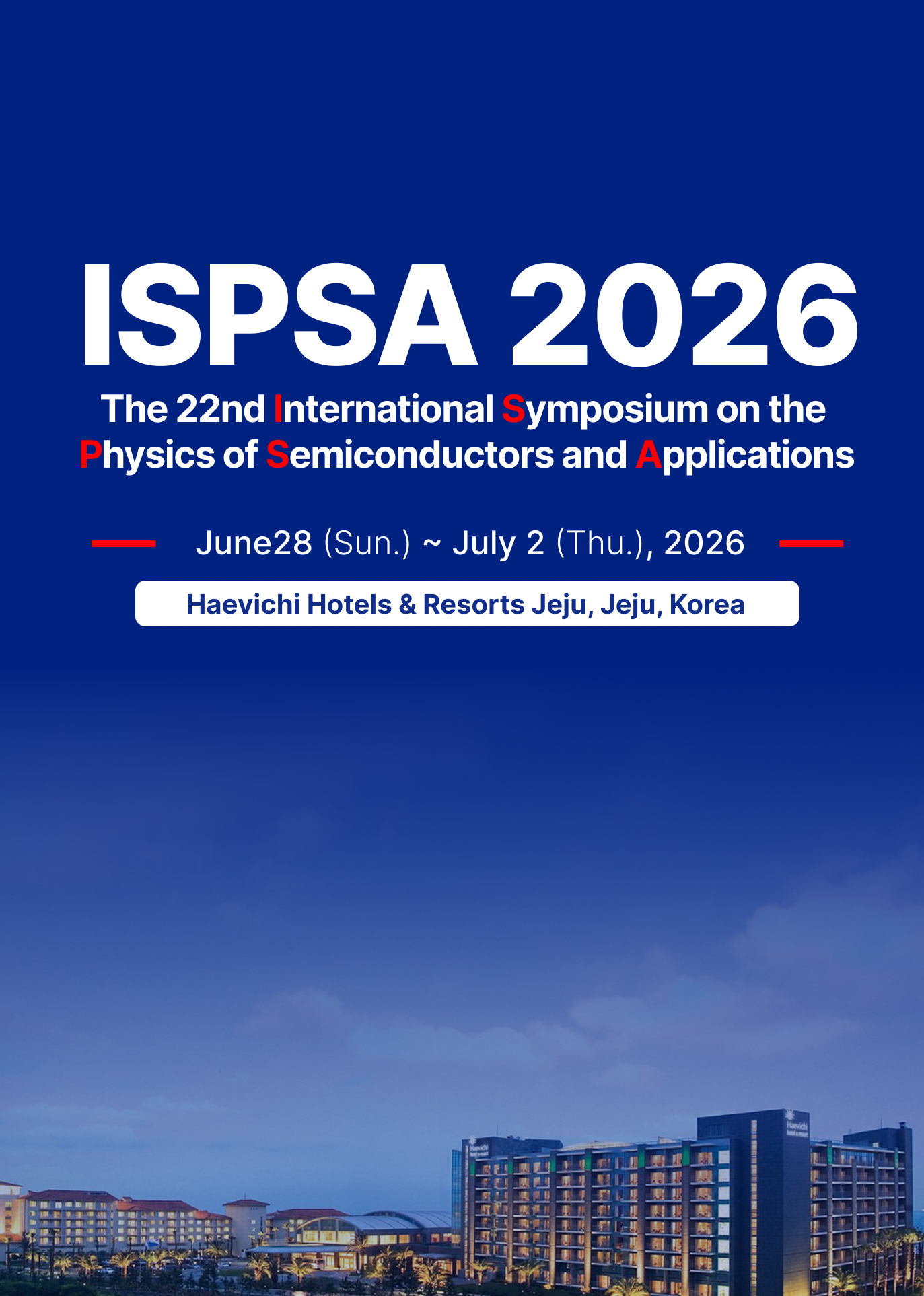
The 22nd International Symposium on the Physics of Semiconductors and Applications (ISPSA 2026) |
| 2026-06-28 ~ 2026-07-02 |

|
|
The 15th Asia-Pacific Conference on Transportation and the Environment (APTE 2026) |
| 2026-07-08 ~ 2026-07-10 |
|
|
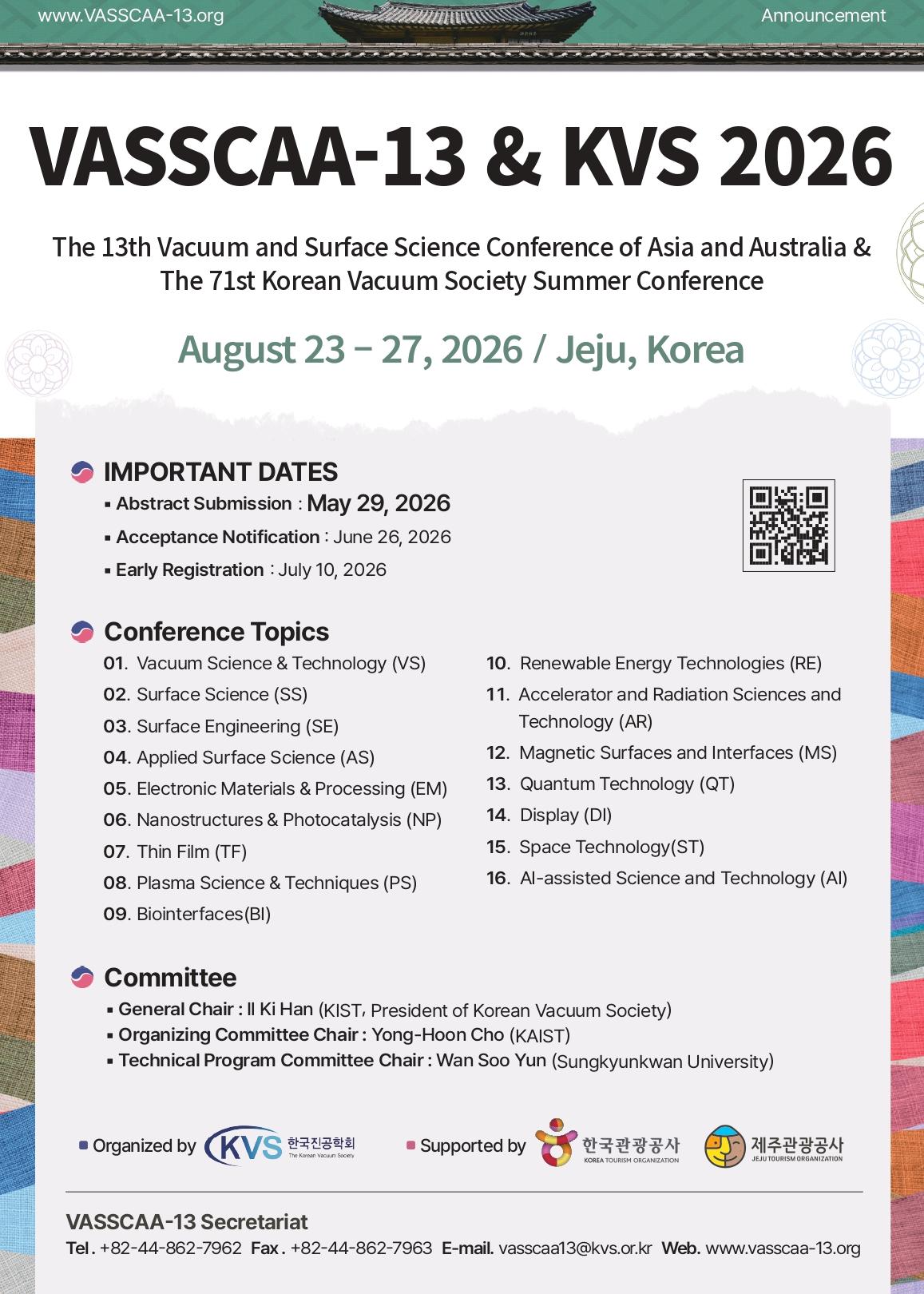
VASSCAA-13 & The 71st KVS Summer Annual Conference (VASSCAA 13) |
| 2026-08-23 ~ 2026-08-27 |
|
|
ACEM26 / Structures26 (ACEM26) |
| 2026-08-24 ~ 2026-08-25 |
Journal Promotion
|
| Acta Koreana (Acta Koreana) |
|
| Acta Via Serica (AVS) |
|
| Advances in Concrete Construction (Advances in Concrete Construction ) |

|
| Advances in Nano Research (Advances in Nano Research) |
|
| Computers and Concrete (Computers and Concrete) |
|
| Earthquakes and Structures, An International Journal (Earthquakes and Structures) |
|
| Geomechanics and Engineering (Geomechanics and Engineering) |
|
| Journal of Information Processing Systems (JIPS) |

|
| Journal of Internet Computing and Services (KSII - JICS) |

|
| Membrane and Water Treatment (MWT) |
|
| Smart Structures and Systems (Smart Structures and Systems) |
|
| Steel and Composite Structures, An International Journal (Steel and Composite Structures) |
|
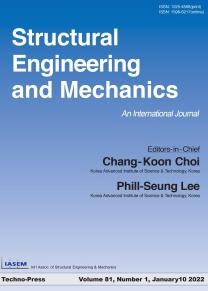
| Structural Engineering and Mechanics, An International Journal (Structural Engineering and Mechanics) |
|
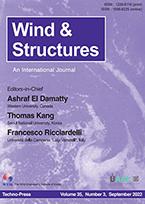
| Wind and Structures, An International Journal (Wind and Structures) |




MANUSCRIPTLINK © 2015 -
