


52nd BARCELONA World Conference on Research in Chemical, Biological & Environmental Sciences (BCBES-26) July 15-17, 2026 Barcelona (Spain)
BCBES-26
- URL: https://earbm.org/conference/328
- Event Date: 2026-07-15 ~ 2026-07-17
- Submission Date: 2026-07-01
- Organizer: EARBM
- Location: Barcelona, Spain
Chemical & Material Sciences (General) Chemical Kinetics & Catalysis Bioinformatics & Computational Biology Biomedical Technology
Call for papers/Topics
Topics of interest for submission include any topics related to:
1. Chemical Sciences
This pillar focuses on the composition, structure, and properties of matter and the changes it undergoes.
Analytical Chemistry
Spectroscopy (NMR, IR, UV-Vis)
Chromatography (HPLC, GC-MS)
Electrochemistry and Sensors
Inorganic Chemistry
Coordination Compounds and Ligand Theory
Organometallic Chemistry
Bioinorganic Chemistry (Metals in biological systems)
Organic Chemistry
Synthetic Methodology and Total Synthesis
Stereochemistry and Reaction Mechanisms
Polymer Chemistry and Macromolecules
Physical Chemistry
Chemical Thermodynamics and Kinetics
Quantum Chemistry and Molecular Modeling
Surface Science and Catalysis
Medicinal & Pharmaceutical Chemistry
Drug Design and Discovery
Pharmacokinetics and Pharmacodynamics
2. Biological Sciences
This pillar examines the complexity of life from the cellular level to entire ecosystems.
Molecular & Cellular Biology
Cell Signaling and Communication
Organelle Function and Protein Synthesis
Stem Cell Research and Regenerative Medicine
Genetics & Genomics
DNA Replication, Repair, and Recombination
Epigenetics and Gene Expression
CRISPR and Genetic Engineering
Microbiology & Immunology
Bacteriology, Virology, and Mycology
Pathogenesis and Infectious Diseases
Innate and Adaptive Immune Responses
Biochemistry
Enzymology and Metabolic Pathways
Structural Biology (Protein folding and nucleic acids)
Bioenergetics (ATP production and Photosynthesis)
Physiology & Anatomy
Neurobiology and Sensory Systems
Endocrinology and Hormonal Regulation
3. Environmental Sciences
This pillar applies chemical and biological principles to understand and solve environmental challenges.
Environmental Chemistry
Atmospheric Chemistry (Ozone depletion, Greenhouse gases)
Aquatic Chemistry (Water quality, Ocean acidification)
Soil Chemistry and Nutrient Cycling
Ecology & Conservation Biology
Population Dynamics and Community Ecology
Biodiversity and Habitat Restoration
Ecosystem Services and Sustainability
Toxicology & Pollution Control
Ecotoxicology (Effects of toxins on wildlife)
Waste Management (Solid, Hazardous, and Nuclear)
Bioremediation (Using microbes to clean pollutants)
Climate Change & Energy
Renewable Energy Systems (Solar, Wind, Biofuels)
Carbon Capture and Sequestration
Climate Modeling and Mitigation Strategies
Environmental Policy & Ethics
Risk Assessment and Environmental Impact Statements (EIS)
Global Environmental Law and Agreements
4. Interdisciplinary & Emerging Fields
The most modern research often happens at the intersection of these three domains.
Green Chemistry: Designing chemical products and processes that reduce or eliminate hazardous substances.
Synthetic Biology: Redesigning organisms for useful purposes by engineering them to have new abilities.
Biogeochemistry: The study of the chemical, physical, geological, and biological processes that govern the composition of the natural environment.
Nanotechnology: The application of nanomaterials in medicine (drug delivery) and environmental cleanup.
Event Promotion
|
|
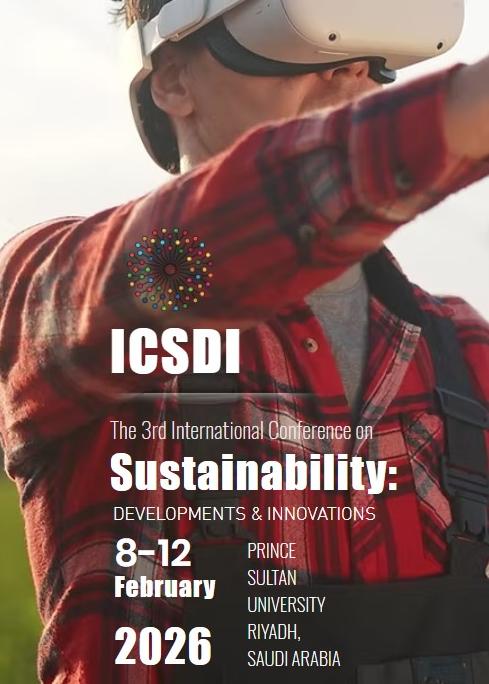
The 3rd International Conference on Sustainability: DEVELOPMENTS & INNOVATIONS (ICSDI 2026) |
| 2026-02-08 ~ 2026-02-12 |
|
|
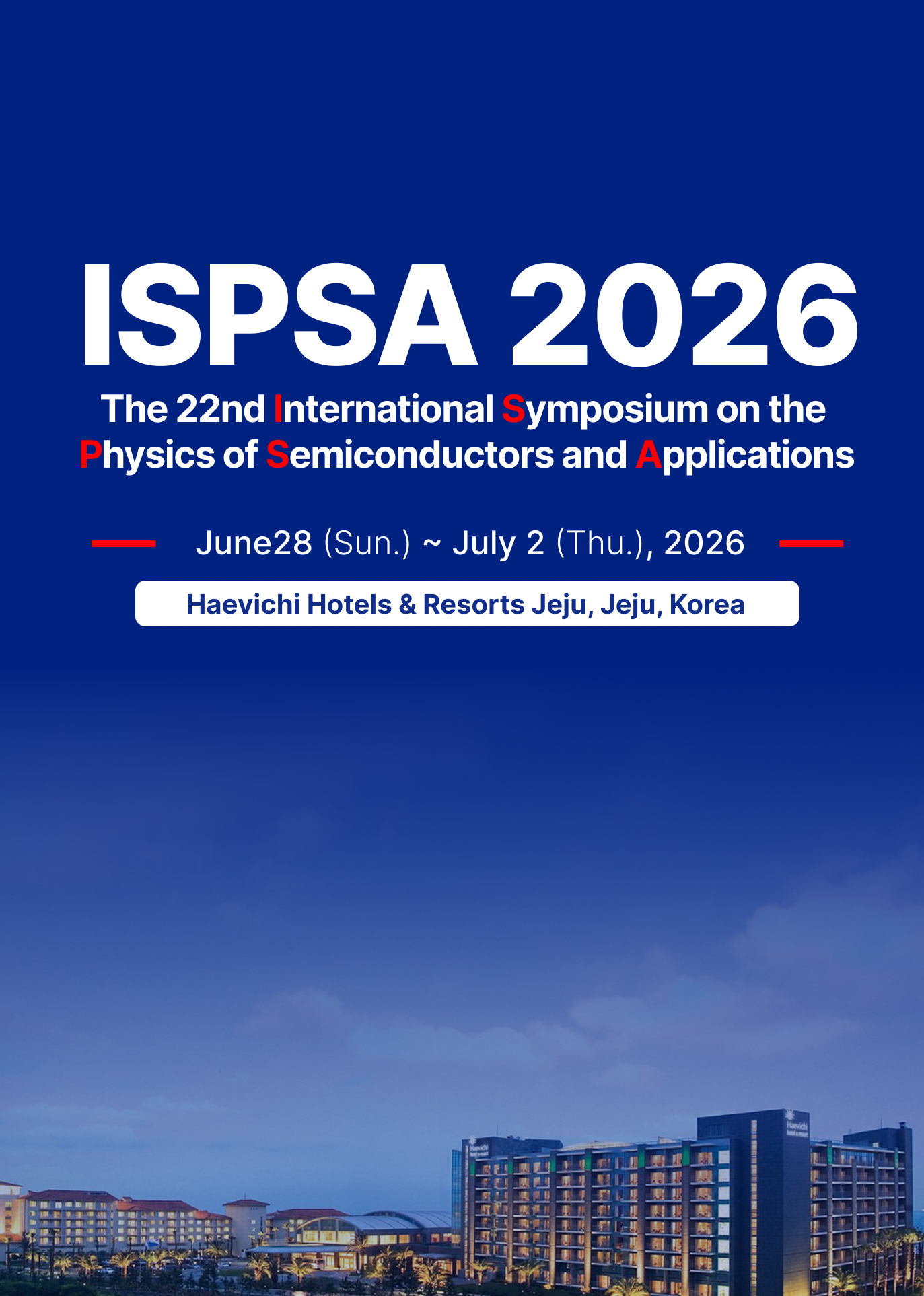
The 22nd International Symposium on the Physics of Semiconductors and Applications (ISPSA 2026) |
| 2026-06-28 ~ 2026-07-02 |

|
|
The 15th Asia-Pacific Conference on Transportation and the Environment (APTE 2026) |
| 2026-07-08 ~ 2026-07-10 |







MANUSCRIPTLINK © 2015 -
