


56th BARCELONA International Conference on Science, Engineering & Technology (BSET-26) July 15-17, 2026 Barcelona (Spain)
BSET-26
- URL: https://earet.org/conference/327
- Event Date: 2026-07-10 ~ 2026-07-17
- Submission Date: 2026-07-01
- Organizer: EARET
- Location: Barcelona, Spain
Chemical & Material Sciences (General) Engineering & Computer Science (General)
Call for papers/Topics
Topics of interest for submission include any topics related to:
1. Natural Sciences
The study of the physical world and its phenomena through observation and experimentation.
Physical Sciences
Physics: Classical mechanics, thermodynamics, electromagnetism, quantum mechanics, and astrophysics.
Chemistry: Organic, inorganic, analytical, physical, and biochemistry.
Astronomy: Cosmology, planetary science, and stellar evolution.
Earth Sciences
Geology: Seismology, mineralogy, and plate tectonics.
Meteorology: Climatology and atmospheric physics.
Oceanography: Marine biology and chemical oceanography.
Life Sciences (Biology)
Molecular & Cellular: Genetics, microbiology, and cytology.
Organismal: Zoology, botany, and physiology.
Environmental: Ecology, evolutionary biology, and conservation science.
2. Engineering
The application of scientific principles to design, build, and maintain structures, machines, and systems.
Civil Engineering
Structural, Geotechnical, Transportation, and Urban Engineering.
Mechanical Engineering
Robotics, Manufacturing, Automotive, and Aerospace Engineering.
Electrical & Electronics Engineering
Power systems, Telecommunications, Microelectronics, and Signal Processing.
Chemical Engineering
Process engineering, Materials science, and Petrochemical engineering.
Biomedical Engineering: Biomechanics, tissue engineering, and medical imaging.
Software Engineering
Systems architecture, DevOps, and Game development.
3. Applied Technology
The practical application of engineering and science to solve specific problems or create products.
Information Technology (IT) & Computer Science
Artificial Intelligence: Machine learning, neural networks, and NLP.
Cybersecurity: Cryptography, network security, and ethical hacking.
Data Science: Big data analytics and database management.
Cloud Computing: Virtualization and distributed systems.
Biotechnology
CRISPR and Gene editing, Synthetic biology, and Pharmacology.
Energy Technology
Renewable energy (Solar, Wind, Hydro), Nuclear fission/fusion, and Battery storage.
Nanotechnology
Nanomaterials, Molecular electronics, and Nanomedicine.
4. Formal Sciences
The branches of science concerned with formal systems, such as logic and mathematics, which provide the tools for all other categories.
Mathematics: Algebra, Calculus, Statistics, and Topology.
Logic: Mathematical logic and philosophical logic.
Theoretical Computer Science: Algorithms and complexity theory.
5. Interdisciplinary & Emerging Fields
Where different domains overlap to create new frontiers.
Cognitive Science: The intersection of psychology, AI, and neuroscience.
Robotics & Mechatronics: Combining mechanics, electronics, and computing.
Quantum Technology: Quantum computing and quantum sensing.
Sustainability Science: Integrating ecology, engineering, and economics for environmental health.
Event Promotion
|
|
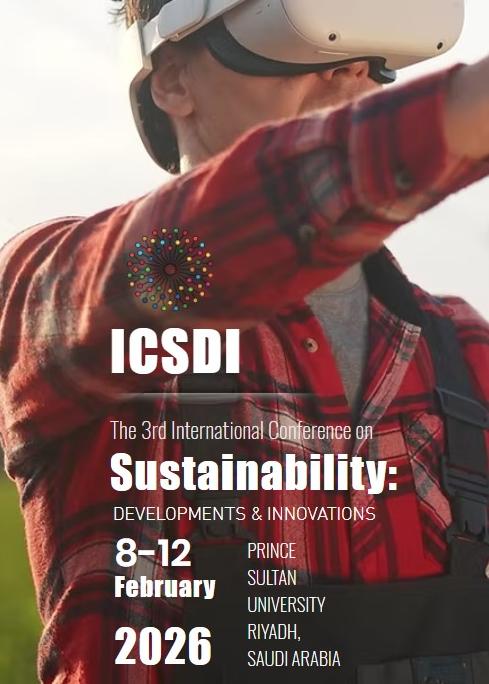
The 3rd International Conference on Sustainability: DEVELOPMENTS & INNOVATIONS (ICSDI 2026) |
| 2026-02-08 ~ 2026-02-12 |
|
|
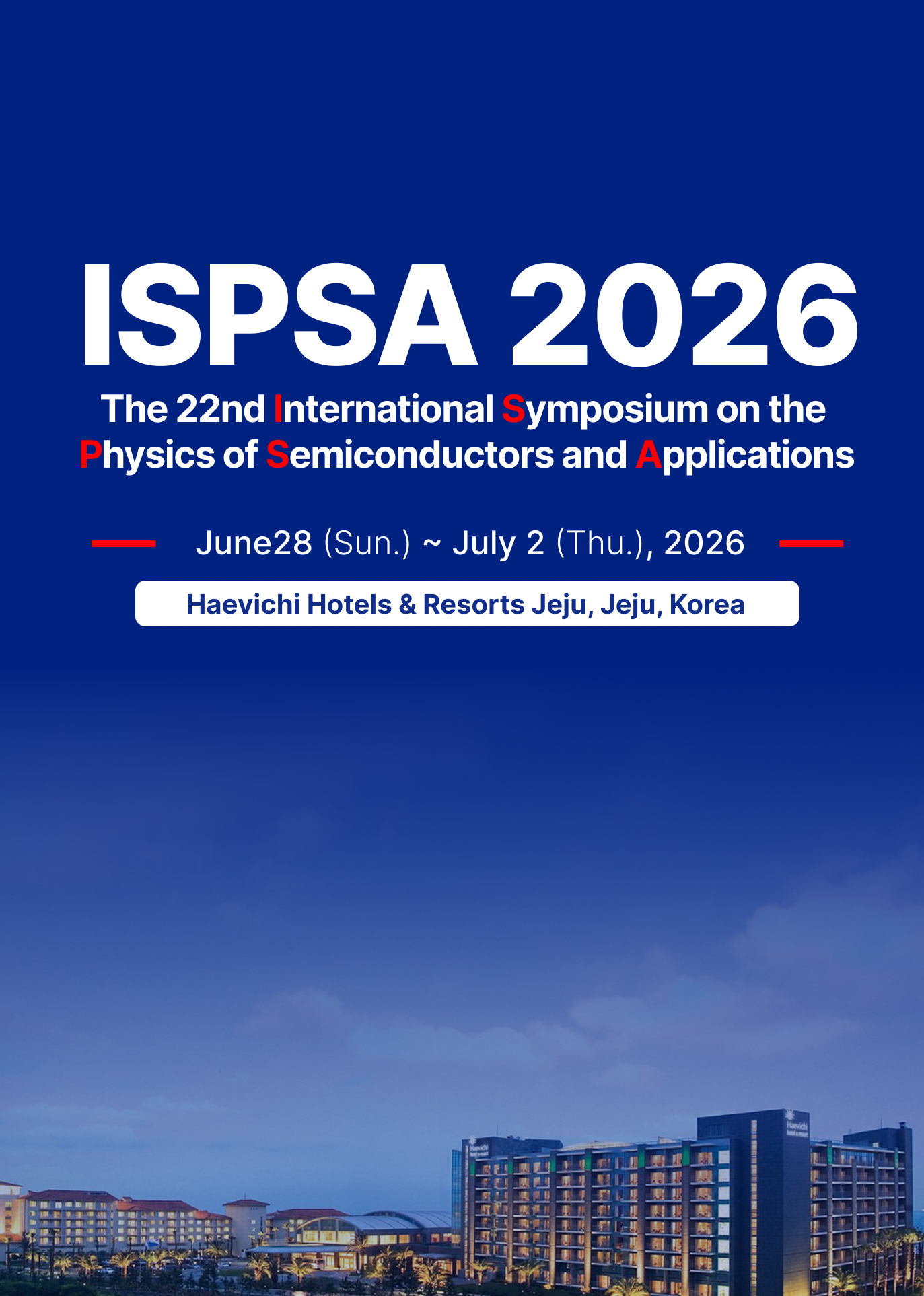
The 22nd International Symposium on the Physics of Semiconductors and Applications (ISPSA 2026) |
| 2026-06-28 ~ 2026-07-02 |

|
|
The 15th Asia-Pacific Conference on Transportation and the Environment (APTE 2026) |
| 2026-07-08 ~ 2026-07-10 |






MANUSCRIPTLINK © 2015 -
